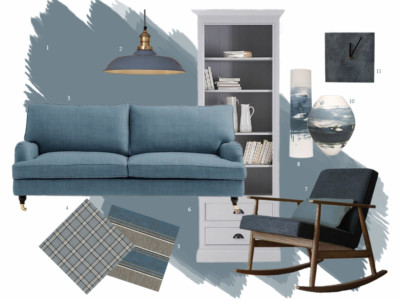
Style your home in 6 Easy Steps
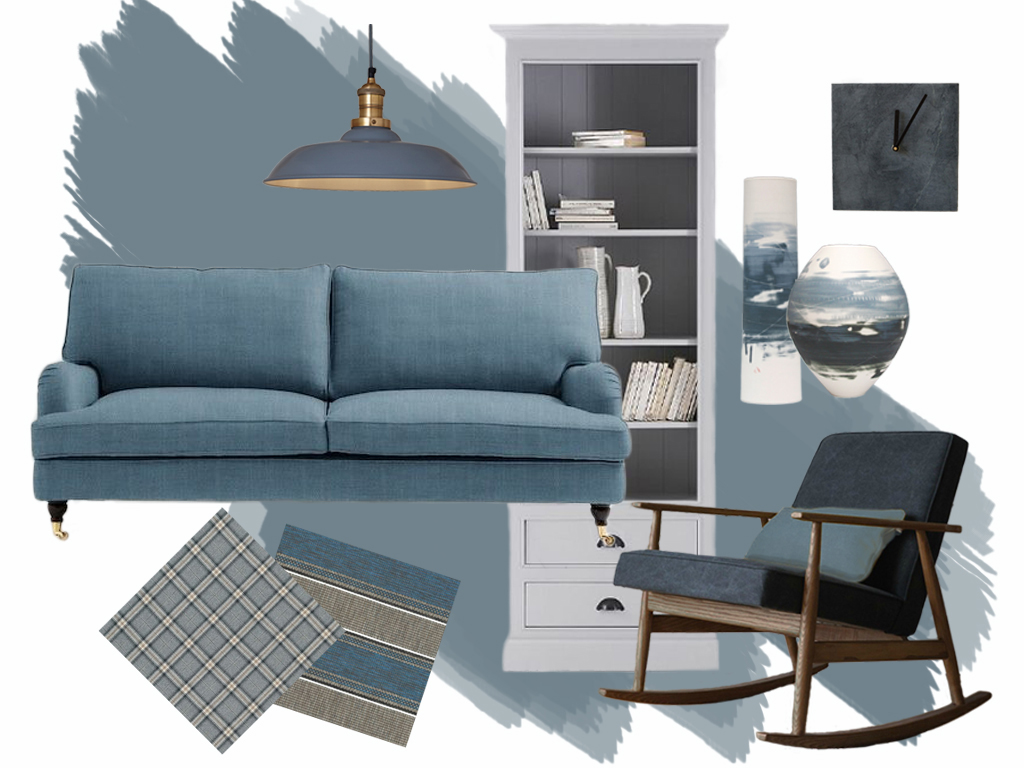
Step 1
Find your inspiration
We have based this moodboard on colour. There is a huge amount of psychology behind uses of colour and it play a very important role in creating the atmosphere you want to achieve in your home. With couples – this can cause the biggest arguments. If your tastes are in tune, then that’s great. If not, you may need to compromise (well you know blush pink will really not be in fashion for long anyway) and settle for a colour that you both agree on.
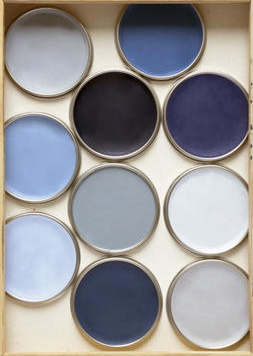
We have based our moodboard design on the Dulux Colour of the year ‘Denim Drift ‘ . It’s our most popular and pinned board on Pinterest and from the boards it is being pinned to, we seem to loving this colour for the bedroom.
It’s muted hue sits well with the trend for grey. It’s versatility is that it works well in both a period or contemporary style home. This is a colour that’s very easy to live with as it’s not too bold or deep and not too ‘of the moment’ to date.
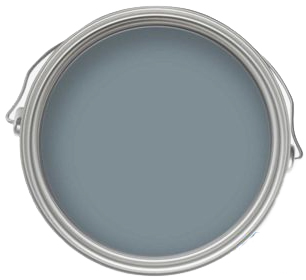
Dulux – Denim Drift
Blues are usually cool colours – but Denim Drift has a warm green tinge to this Blue/grey hue.
Step 2
Gather your ideas
My first stop to get ideas was the Dulux Website. With rooms sets to inspire you and a election of complimentary paint colours that they have put together for you.
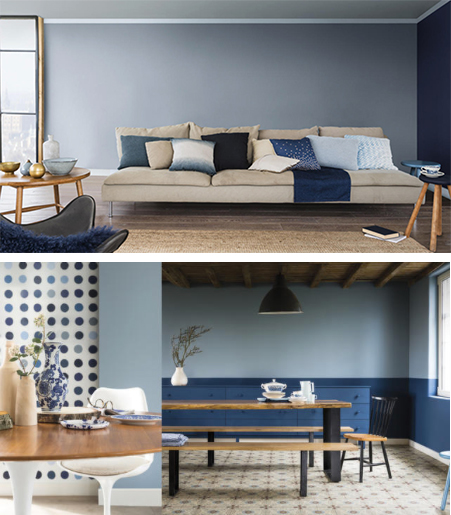
Dulux room set ideas and suggestion of complimentary paint colours to match your scheme.
Dulux are showing a harmonising range of blues and greys to compliment Denim Drift and set a relaxed and informal tone.
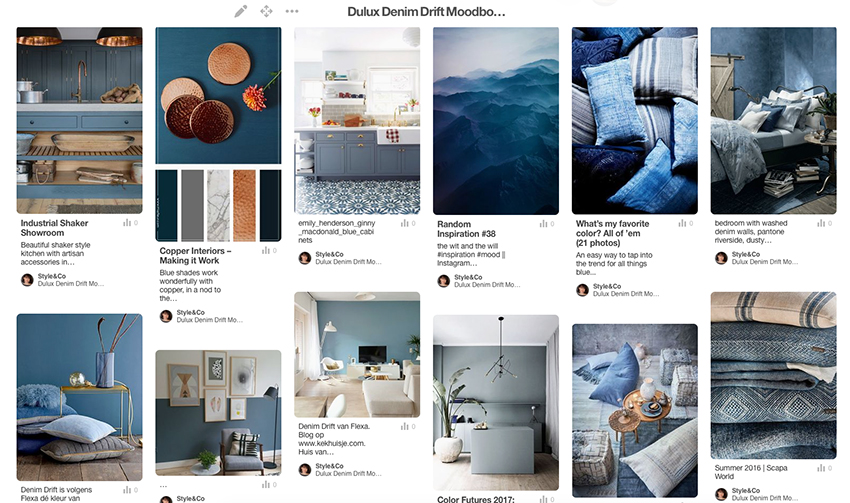
The next great place for inspiration is Pinterest – you create your own board and then search #blue or #denimdrift and you can pin away to your hearts content. Creating mood boards this way is quick and easy and a great way to gather your ideas together.
Next look at different supplier websites. Even if you need to have a bounce on a sofa first – it’s a quick way to find a style you want to try out.
Step 3
The Big investment pieces
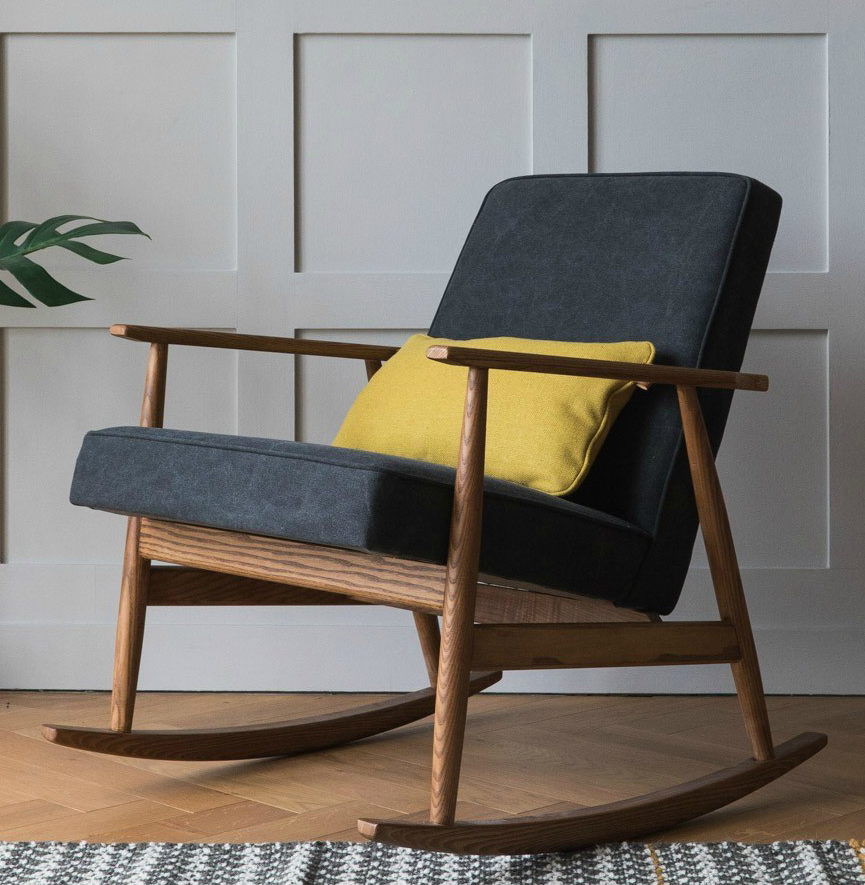
Choosing the sofa and large furniture pieces – it is always worth taking your time. This will be your major expense and you may have to live with it for a long time. Choosing neutral is the safe and flexible solution, but if it’s a colour/style that you love and your tastes are firmly set (and not as changeable as this Stylist’s) then go for it. With this harmonising colour pallet I would suggest shades of muted blues, navy or natural linen. You can mix and match different prints and textures within the colour range, to add interest.

Step 4
The Accessories
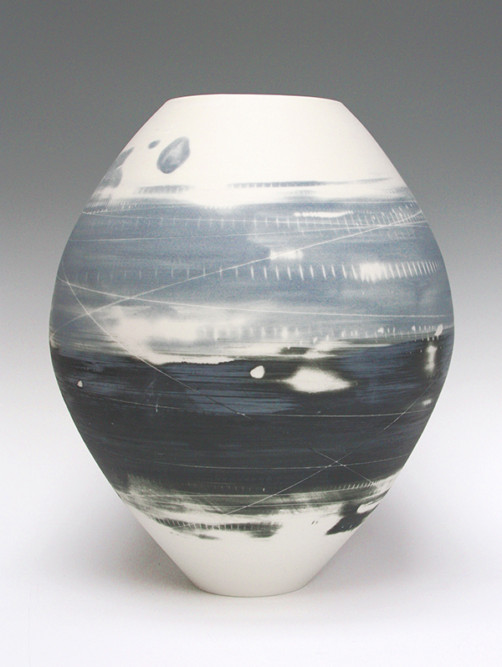
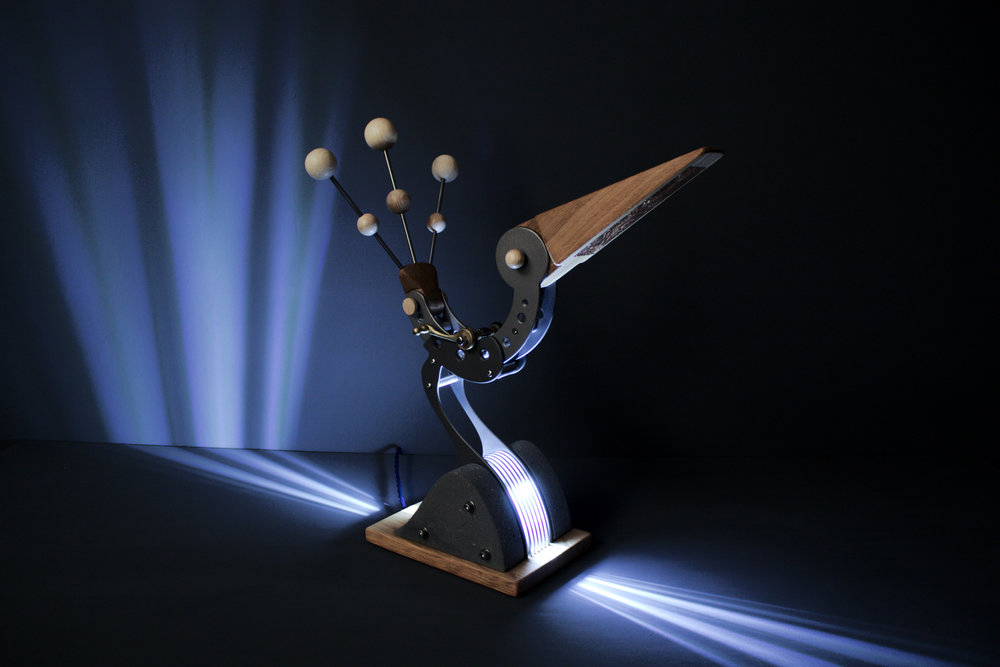
The choice of smaller elements are important to the feel of the room. With metals for lighting and accessories the choice can create a period or contemporary atmosphere. Chrome will give a modern edge, copper will make a contemporary statement and brass will give a more traditional feel. For my lighting I have chosen a slightly period/industrial fitting to give that mix of old and new. I have also chosen simple styled handcrafted ceramics by Ali Tomlin in off-white with swirls of muted blues. The clock in a grey slate bring another natural element into the room and its simple style adds to the mix of traditional and contemporary design. I have also added below this fun creation by engineer-artist Dan Morrison. The natural materials he uses would blend into this scheme and the designs he creates will definitely make you smile.
Step 5
Collect your samples
Bespoke – or ready made ? Decide on fabric type for example:- velvet, brushed cotton, wool mix or linen.
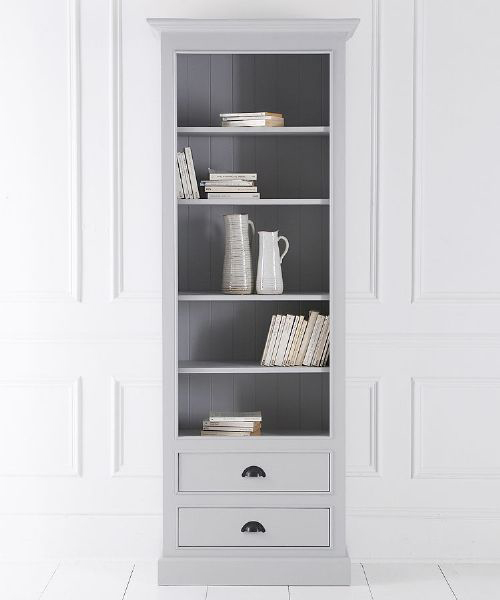
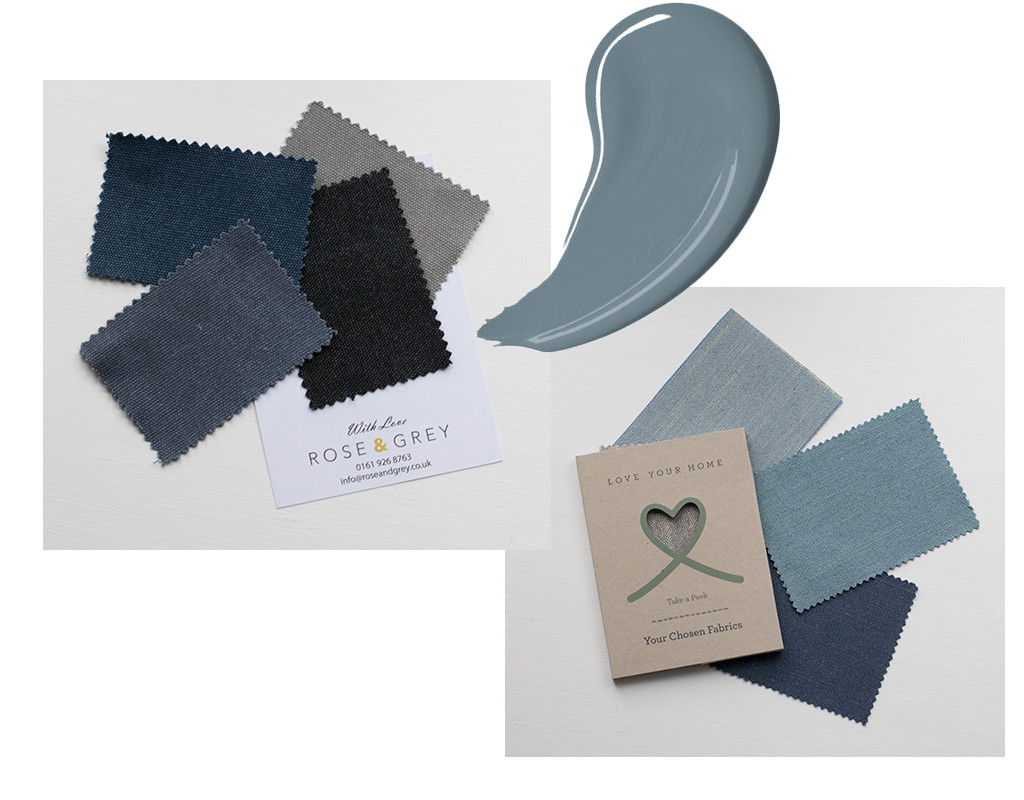
Then select a range of colours that will match or harmonise with your colour scheme. Most suppliers will have free samples and allow you to choose a selection free of charge. Rose and Grey supplied the samples for their Mid Century Rocking Chair and Love your Home enclosed the sofa fabrics in a neat little folder. The Paint samples for the bookcase were from Angel and Boho. They had twenty colour options and the chart had dabs of the actual paint, which I think is a great idea.
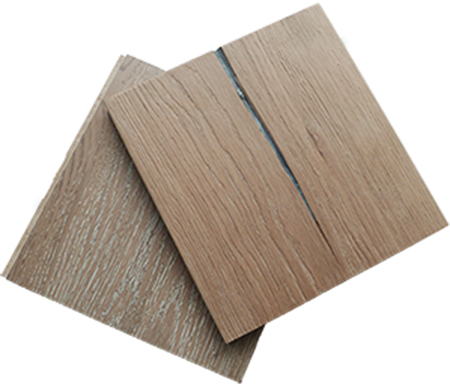
Natural wood can work just as well with this colour, something like a mid-tone natural oak. If you can’t find a painted furniture piece that you like and would prefer something more unique – have a look at some up-cycled pieces. There are some great contemporary up-cylers around at the moment – creating some unique, desirable furniture. They have the ability to create bespoke colours and react to the latest trends.
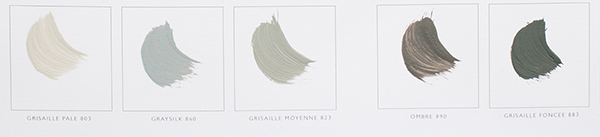
When looking for samples and matching up colours I usually use a plastic wallet or folder and carry my samples around with me. So that anytime I have a chance to pop in a store, search for fabrics or compare colours I have them all to hand. When you have all your samples together you can be your own interior Designer and create a moodboard to check out your designs.
Step 6
Create your moodboard
As you can probably tell – I love creating moodboards – it’s the way you can really makes your ideas come to life. The mood boards we present are all carefully photo-shopped to make a good composition. However, our initial ideas all start off as a collection of photos and samples fixed onto a board.
This is all you will need to do. Gather your photographs of furniture, samples of fabrics, flooring, paint colours and any artwork or sculptures that you want to include. An A2 piece of card or foam board should be big enough to display everything. If you don’t have photos of your furniture – grab a screen shot on a webpage and print a copy.
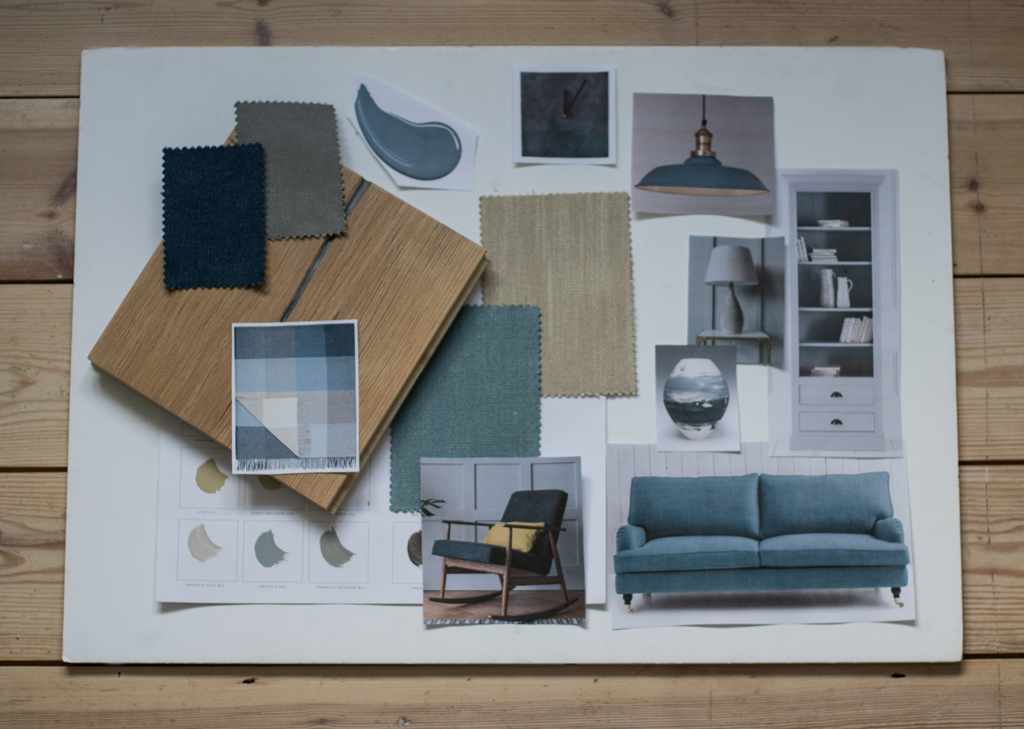
If you are looking for inspiration – our moodboards are there to help you.
Just take a look at the different styles you like and create your own design.